
Wok n roll isn’t a trend. It’s a technique. It’s a way of cooking that blends the intensity of stir-fry with the momentum of performance—fast, deliberate, and full of character. The phrase may sound playful, but the method behind it is nothing short of serious.
At its core, wok n roll refers to the dynamic interplay between flame, metal, and motion. The wok, a curved and time-honored cooking vessel, becomes the stage. And what happens on that stage is all about speed, heat control, and unbroken focus. There’s no room for hesitation. Every move counts. Every second matters.
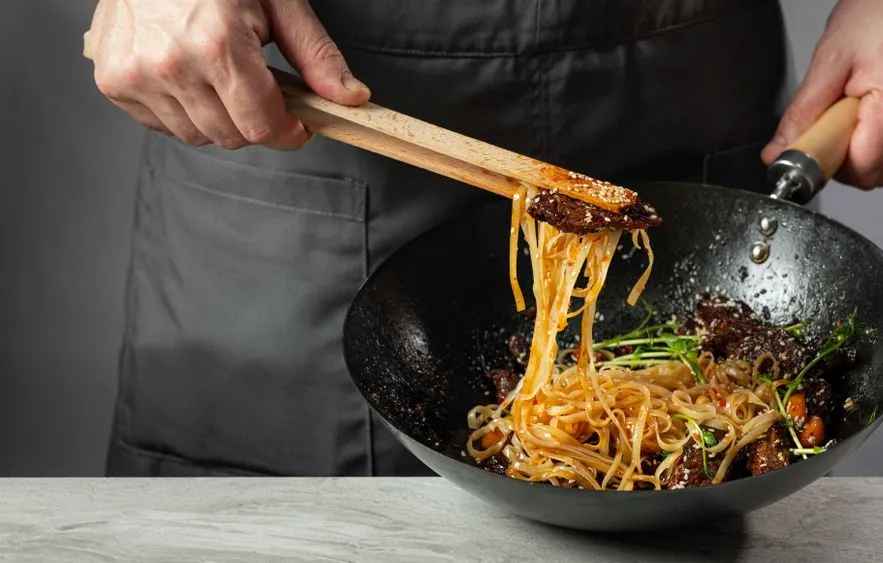
The wok itself is central to this approach. Its shape allows for a range of heat zones, meaning ingredients can be seared, tossed, or shifted to gentler areas as needed—all within the same surface. It’s not just cooking—it’s choreography. Vegetables flash-cook in seconds, retaining their color and crunch. Proteins sear hard, locking in moisture. Noodles jump through oil and sauce until they take on that signature sheen and smoky depth known as *wok hei*—the breath of the wok.
That elusive quality, wok hei, is often considered the soul of true wok cooking. Achieving it requires more than just high heat—it demands control, timing, and trust in instinct. The pan must be hot enough to create micro-caramelization, where sugars and proteins kiss the metal just long enough to develop complex layers of flavor, without burning. Too much movement and it never develops. Too little and it scorches. Wok n roll walks that line with practiced ease.
But it’s not only about the food. The phrase also captures the attitude of the process. There’s rhythm to the work—the syncopated scrape of the spatula, the hiss of liquid hitting hot oil, the rise and fall of ingredients mid-air. It’s physical. It’s loud. And it’s fast. There’s a pulse to it that mirrors the energy of a live setlist, each dish its own track with its own tempo.
Wok n roll doesn’t rely on shortcuts. Ingredients are prepped with care and mise en place becomes non-negotiable. Once the flame is lit, there’s no turning back. Garlic burns in seconds. Greens wilt in moments. Timing is not a luxury—it’s the law.
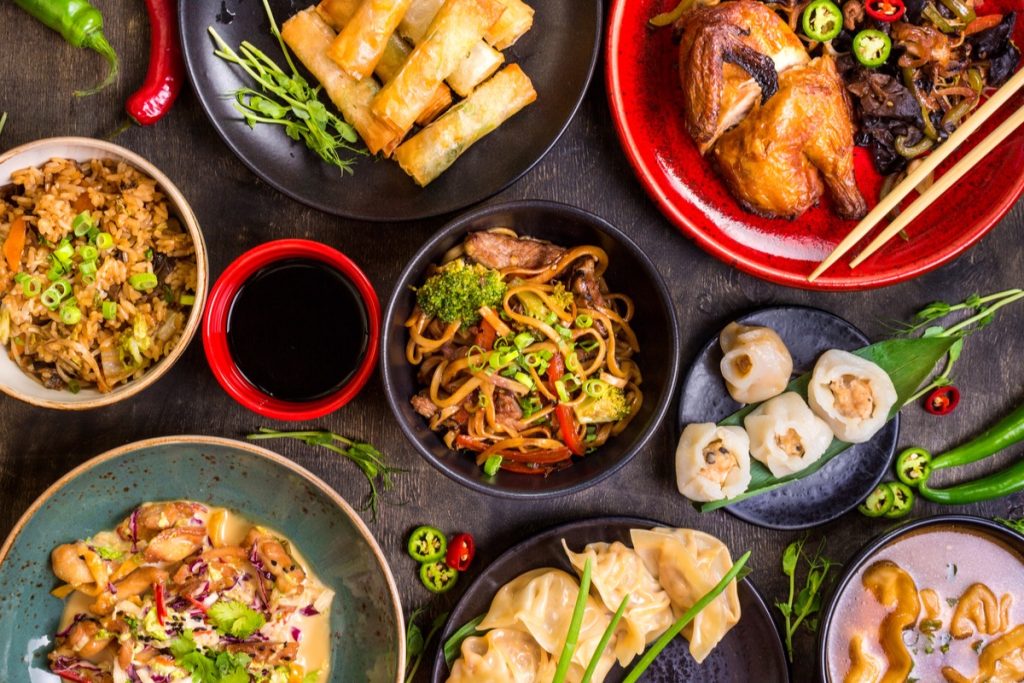
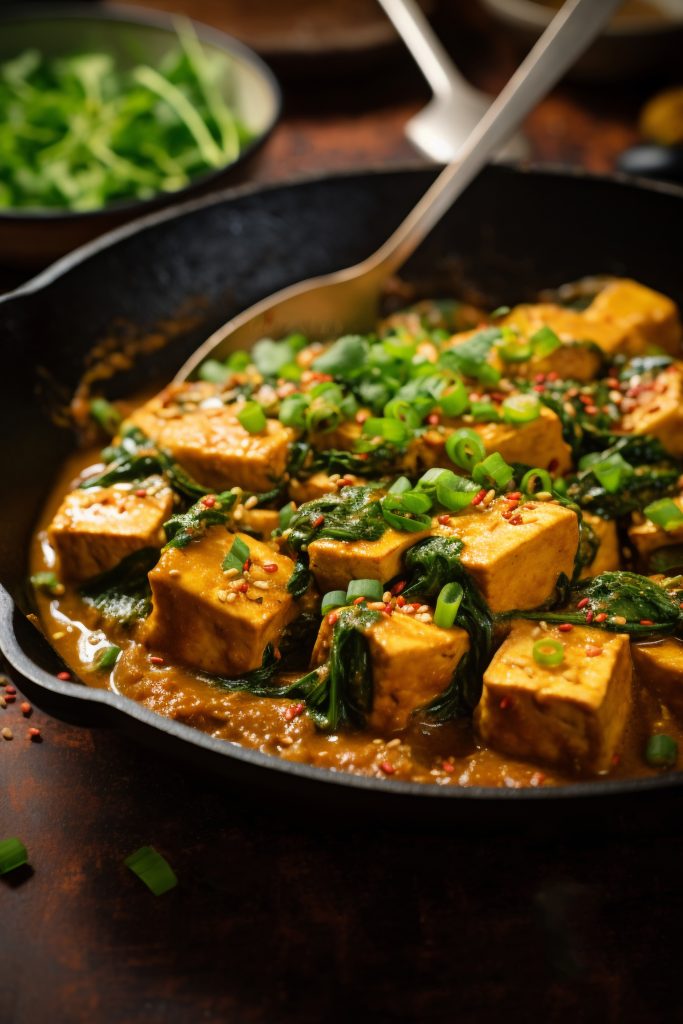
This approach also speaks to versatility. Wok n roll can handle it all: the slippery heft of rice noodles, the crackle of thinly sliced beef, the cling of sticky sauces, the light bounce of tofu cubes. It’s not about making things complicated—it’s about letting each element speak with clarity, fired by intent.
In today’s culinary world, where slow food and minimalism often dominate the conversation, wok n roll stands as a counterpoint. It’s bold, unapologetically fast, and rooted in deep technical skill. It celebrates fire. It embraces movement. And it proves that cooking under pressure—real pressure—can still produce food that feels alive.
For those who appreciate sharp technique and unfiltered flavor, wok n roll is more than a name. It’s a pulse. A pace. A style of cooking that speaks louder than words ever could.
Published on April 24, 2025
All stories